Bird seed is not toxic to dogs in the way that, say, grapes or xylitol are, but that does not make it safe or a good idea. Most dogs that sneak a mouthful from under a backyard feeder will be fine. The real risks come from what's mixed into the seed, how much they eat, how it was stored, and whether your dog has any sensitivities. If your dog already ate some bird seed today, the short answer is: stay calm, check what kind of seed it was, watch for symptoms, and call your vet if anything seems off. The full picture is a bit more nuanced, so let's walk through it.
Can Dogs Eat Bird Seed Safely? What to Do Now

Maya Henderson
22 Mar 2026
Is Bird Seed Safe for Dogs? The Direct Answer
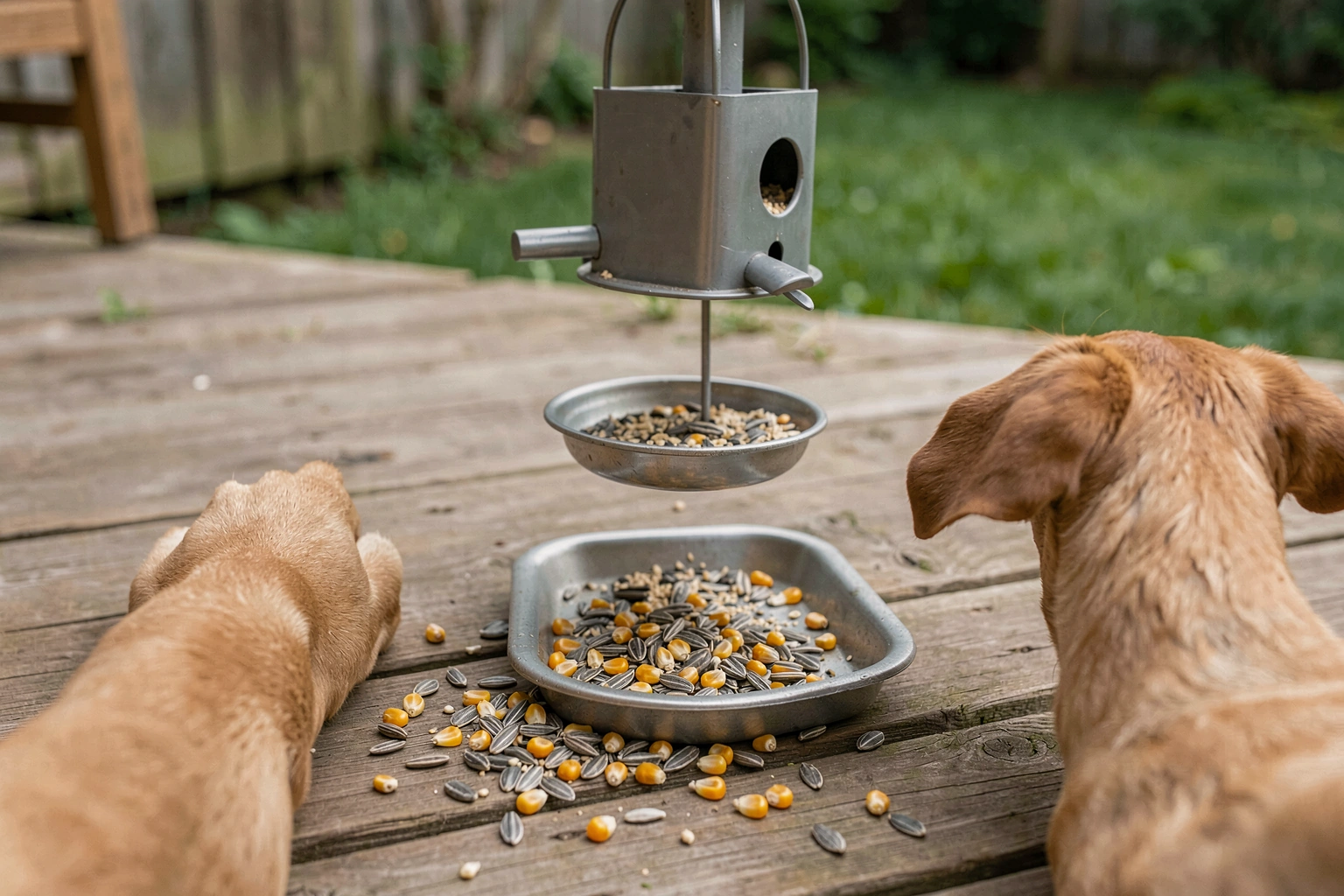
Plain bird seed in a small amount is generally not going to seriously harm a healthy adult dog. Most common bird seed ingredients, things like sunflower seeds, millet, and cracked corn, are not inherently poisonous to dogs. However, 'not poisonous' and 'safe to eat' are not the same thing. Bird seed is not formulated for dogs, it can be contaminated with mold, it sometimes includes additives that are harmful, and in large quantities it can cause real problems. So the honest answer is: a small accidental nibble is unlikely to be an emergency, but bird seed is not something you want your dog eating regularly or in large amounts.
What's Actually in Bird Seed (and Why It Matters for Dogs)
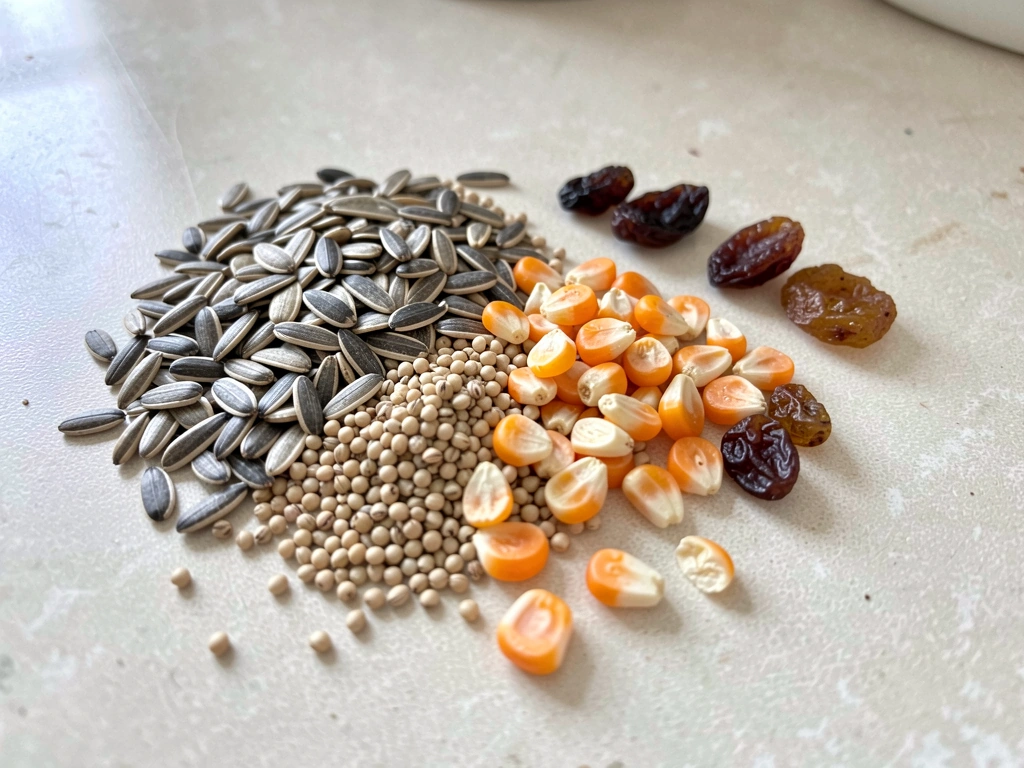
Standard wild bird seed mixes typically contain a combination of sunflower seeds and hearts, millet, safflower, cracked corn, peanuts, and sometimes dried fruit. Each of those carries its own risk profile for dogs.
- Sunflower seeds: High in fat. A few are fine, but a large amount can stress your dog's digestive system and, over time, contribute to pancreatitis in dogs prone to it.
- Millet and cracked corn: Generally low risk in small amounts, but they add up in calories and can cause GI upset if eaten in bulk.
- Peanuts (shelled or in pieces): Not toxic plain, but high fat and a choking hazard. Whole peanuts in particular are flagged as a risk in bird-feeding best practice guidance because of their size.
- Dried fruit or raisins: This is a major red flag. Raisins are toxic to dogs, and some bird seed mixes include them. The ASPCA specifically recommends choosing bird seed without raisins if you have dogs, for exactly this reason.
- Mold and aflatoxins: Seed stored in damp conditions can grow mold that produces aflatoxins, which are genuinely dangerous. There is no antidote for aflatoxin poisoning; treatment is supportive care and removing the exposure source. This is the hidden risk people often overlook.
- Pest control chemicals: Seed stored outdoors or in sheds can attract rodents, and sometimes rodenticides end up near or in the seed supply. If there is any chance the seed your dog accessed was near rat poison, treat it as an emergency and get to a vet immediately.
The fat content across most seed mixes is worth emphasizing. Bird seed is energy-dense by design because birds need those calories. Dogs eating a significant quantity are essentially getting a high-fat, hard-to-digest snack that their gut was not prepared for.
When It's Probably Okay vs. When to Be Concerned
Situations where a small amount is usually not a big deal
- Your dog grabbed a small mouthful of plain seed (sunflower, millet, or similar) that fell under the feeder.
- The seed is fresh, dry, and you know it has not been sitting outside in the rain or heat.
- There are no raisins, dried fruit, or other additives mixed in.
- Your dog is a healthy adult with no known food sensitivities, pancreatitis history, or digestive issues.
- The amount eaten was small relative to your dog's body size.
Situations where you should be more concerned
- The seed mix contains raisins, dried cherries, or any other dried fruit you cannot identify.
- The seed was damp, clumped, or visibly moldy.
- Your dog ate a large quantity, especially a small dog eating a significant pile of seed.
- The seed was stored in a garage or shed where rodent bait might also be present.
- Your dog has a history of pancreatitis, sensitive digestion, or food allergies.
- Your dog is a puppy or a senior dog with a less robust digestive system.
- You are not sure what was in the mix.
If you fall into any of the second category, do not wait and see. Call your vet or a poison control line now. Uncertainty is its own reason to get a professional opinion.
Risks to Watch For After Your Dog Eats Bird Seed
Digestive upset
This is the most common result and usually the least serious. Vomiting, loose stool, or diarrhea within a few hours of eating bird seed is the gut's way of dealing with something unfamiliar and high in fat. Most dogs recover on their own within 24 hours. The concern escalates if vomiting is repeated and heavy, if there is blood in the stool or vomit, or if your dog seems lethargic and in pain rather than just a little off.
Choking and obstruction
Whole seeds, especially whole peanuts, can be a choking hazard, particularly in smaller dogs or dogs that gulp their food. Beyond choking in the moment, there is also the risk of a gastrointestinal obstruction if a large volume of seed material forms a mass the dog's digestive tract cannot move. Signs of obstruction include repeated vomiting, a visibly painful or bloated abdomen, your dog repeatedly assuming a 'prayer position' (front end down, back end up), lethargy, and stopping eating. If you see two or more of these symptoms together, that is a same-day emergency vet visit, not a wait-and-see situation.
Mold and aflatoxin toxicity
Moldy seed is a genuine toxicity risk. Aflatoxin poisoning affects the liver and can be serious or fatal in sufficient doses. Symptoms can include lethargy, loss of appetite, vomiting, yellowing of the skin or whites of the eyes (jaundice), and in severe cases, bleeding. This may not show up immediately. If you know your dog ate seed that was visibly moldy or had been sitting in wet conditions, contact your vet even if your dog seems fine right now.
Raisin toxicity
Raisins can cause acute kidney failure in dogs, and the toxic dose is not well established, meaning there is no confirmed 'safe' small amount. If you know or suspect the bird seed mix included raisins or dried grapes and your dog ate any of it, this is an emergency. Do not wait for symptoms. Call your vet or ASPCA Animal Poison Control at (888) 426-4435 right now.
What to Do If Your Dog Ate Bird Seed Today
- Stay calm and figure out exactly what they ate. Check the bird seed packaging or the feeder contents. Look for raisins, dried fruit, or anything unfamiliar. Photograph the packaging if you can.
- Estimate how much they ate relative to their body size. A 60-pound Labrador eating a tablespoon of plain sunflower seeds is very different from a 10-pound Chihuahua eating a cup of mixed seed.
- Check whether the seed was fresh and dry or potentially moldy, clumped, or contaminated.
- Check the area where the seed was stored for any signs of rodent bait or pest control products nearby.
- If the seed contained raisins, was visibly moldy, was near rodent poison, or your dog ate a large amount: call your vet or ASPCA Animal Poison Control at (888) 426-4435 immediately. Pet Poison Helpline is also available 24/7 at 855-764-7661.
- If the seed was plain, fresh, and a small amount: monitor your dog closely for the next 24 to 48 hours. Watch for vomiting, diarrhea, bloating, lethargy, or any sign of pain.
- Withhold food for a few hours if your dog vomited to let the stomach settle, then offer a small bland meal like plain boiled chicken and rice. Keep fresh water available.
- If symptoms appear or you are just not sure, call your vet. It is always better to make a phone call and be told everything is fine than to wait too long.
| Situation | Action to Take | Urgency |
|---|---|---|
| Small amount of plain fresh seed, healthy adult dog | Monitor for 24-48 hours, watch for symptoms | Low, monitor at home |
| Large amount eaten, any size dog | Call vet or poison control now | High, act today |
| Seed mix contained raisins or dried fruit | Call vet or ASPCA Poison Control (888) 426-4435 immediately | Emergency, do not wait |
| Seed was moldy or damp | Call vet even if dog seems fine now | High, do not wait for symptoms |
| Seed stored near rodent bait | Go to vet hospital immediately | Emergency |
| Dog is vomiting repeatedly, bloated, or in pain | Emergency vet visit now | Emergency |
Safer Alternatives and How to Keep Dogs Out of Bird Seed
The easiest long-term fix is to set up your bird feeding station in a way that dogs simply cannot access it. A few practical changes go a long way.
Feeder placement and setup
- Hang feeders high enough and away from structures that a dog cannot knock them down or reach fallen seed easily.
- Use feeders with a tray or catch basin underneath to minimize seed falling to the ground.
- Place feeders in a fenced area your dog does not have access to, or in a section of the yard you can physically separate.
- Choose seed types that produce less mess and waste, like sunflower hearts (no shells), which birds eat more cleanly and leave less on the ground.
Feeder and ground maintenance
Cleaning feeders about once every two weeks is good practice, and more often during warm or wet weather. Rake or clean up the ground below feeders regularly to prevent accumulation of old seed. Moldy or spoiled seed on the ground is a risk not just for dogs but for the birds you are trying to feed. This simple routine eliminates most of the danger for dogs that roam the yard.
Seed choices that reduce risk
- Avoid mixes that contain dried fruit of any kind if dogs have access to the area.
- Opt for single-ingredient seeds like plain sunflower hearts or white millet rather than complex mixes with unknown additives.
- Avoid seed sold in bulk without clear ingredient labeling if you cannot verify what is in it.
What to give your dog instead
If your dog seems drawn to the bird feeding area out of curiosity or boredom, redirect that energy. Keep them busy with dog-safe chews, puzzle feeders, or supervised time in a different part of the yard. If they genuinely seem interested in seeds and you want to give them something similar as an occasional treat, plain unsalted sunflower seeds without shells (in tiny amounts) or plain pumpkin seeds are safe options that are actually sold as dog treats. But that should be a deliberate, portion-controlled treat, not a scavenge-from-the-ground situation.
The bottom line: bird seed is not something to panic about if your dog ate a small amount of plain, fresh seed today, but it is not harmless either. Know what was in the mix, know how much they ate, and do not hesitate to call your vet or ASPCA Poison Control at (888) 426-4435 if anything about the situation makes you uneasy. A quick phone call is always worth it.
FAQ
How can I tell whether the bird seed was the “safe” kind or a higher-risk mix?
If you can identify the exact product, check the ingredient list for raisins, dried fruit, xylitol (sometimes in flavored or coated products), nut mixes, or sweeteners, then estimate the amount your dog ate. If the seed was from a feeder area and you cannot tell what was included, treat it as higher risk, especially if your dog is small, already vomited, or the seed looks damp or moldy.
When would symptoms show up after a dog eats bird seed?
Within 1 to 3 hours is when fatty, unfamiliar foods commonly cause vomiting or loose stool. If symptoms are not present by then, it still does not rule out mold exposure or obstruction, which may worsen over the next several hours. Any repeated vomiting, refusal to eat, or signs of pain should be handled the same day.
What should I do right after I discover my dog ate bird seed, and what should I avoid?
Do not try to induce vomiting at home. Instead, remove remaining seed from the area, offer water, and do not give additional treats or fatty foods that could worsen the digestive load. If you suspect obstruction (repeated vomiting, bloated belly, lethargy) or kidney/liver toxicity (jaundice, weakness), contact a vet immediately.
What if my dog choked on a seed instead of just eating it?
Choking risk is separate from toxicity. If you see your dog struggling to breathe, drooling, coughing that will not stop, or you suspect a piece of whole seed is stuck, treat it as an urgent airway issue and seek emergency care rather than waiting to see if stomach symptoms develop.
Is bird seed riskier for dogs with pancreatitis or sensitive stomachs?
Yes, dogs with pancreatitis or a history of digestive upset may have a lower tolerance for the fat and can develop more significant vomiting or diarrhea from even moderate amounts. If your dog is on a restrictive diet or has chronic GI issues, call your vet sooner rather than monitoring at home.
My dog ate bird seed and there was other food or trash nearby, should I be more concerned?
If your dog ate bird seed and also ate something else at the same time, the mixed exposure changes the risk. Focus on what else was accessible (cocoa, grapes/raisins, compost, trash, xylitol-containing bait, garden chemicals). Provide that full timeline and suspected co-ingestions to your vet or poison control when you call.
Does “no symptoms yet” mean moldy bird seed is not a problem?
If the seed was visibly moldy, or it was stored damp or sat in wet weather, assume liver toxicity risk and call your vet even if your dog seems normal. A flat “watch and wait” approach is riskier in mold cases because symptoms, including jaundice, may not appear right away.
Is bird seed more dangerous for smaller dogs?
For small dogs, even a short nibble can translate to a larger dose of fat, hard seed material, or choking risk. If your dog is under about 15 to 20 pounds, any suspected larger handful, repeated gulping, or vomiting warrants a lower threshold to call your vet.
Are there any home remedies I should use if my dog ate bird seed?
You should not try to “balance it out” with home remedies like milk, activated charcoal, or supplements unless a clinician tells you to. Those can complicate diagnosis or worsen GI upset. The safest supportive approach is monitoring, keeping the diet bland, and calling a vet or poison control when there is any uncertainty.
What specific symptoms mean I should skip monitoring and go to the emergency vet?
A vet visit is more urgent if you see repeated vomiting, blood in vomit or stool, a painful or distended abdomen, obvious lethargy, yellowing of eyes or skin, or any refusal to eat. If two or more of obstruction-type signs show up together, treat it as a same-day emergency rather than monitoring.
Next Article
Can Bird Eat Popcorn? Safe Guidelines for Pet Birds
Find out if pet or wild birds can eat popcorn, what ingredients are risky, safe portion rules, and what to do if they at