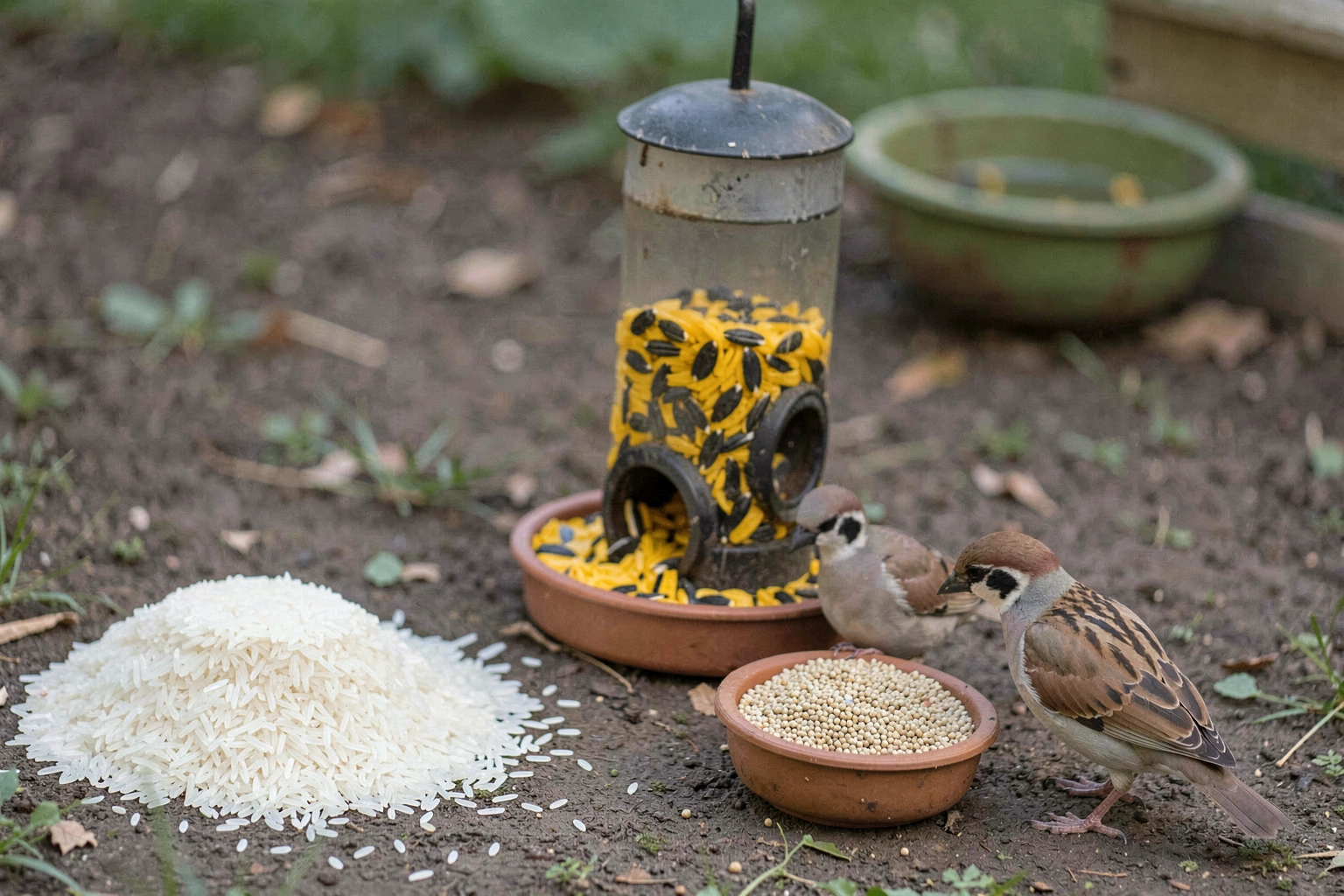
Yes, birds can eat oats, and for most common pet birds and backyard wild birds, oats are a safe, nutritious treat when prepared and portioned correctly. The key conditions are: use plain, unflavored oats, serve them in the right texture for the bird's size, and keep oats as a supplement rather than a diet staple. Get those three things right and oats are a genuinely useful addition to your bird's feeding routine.
Can Bird Eat Oats Safely? How Much and How to Prepare

Maya Henderson
22 Mar 2026
Which birds can eat oats?
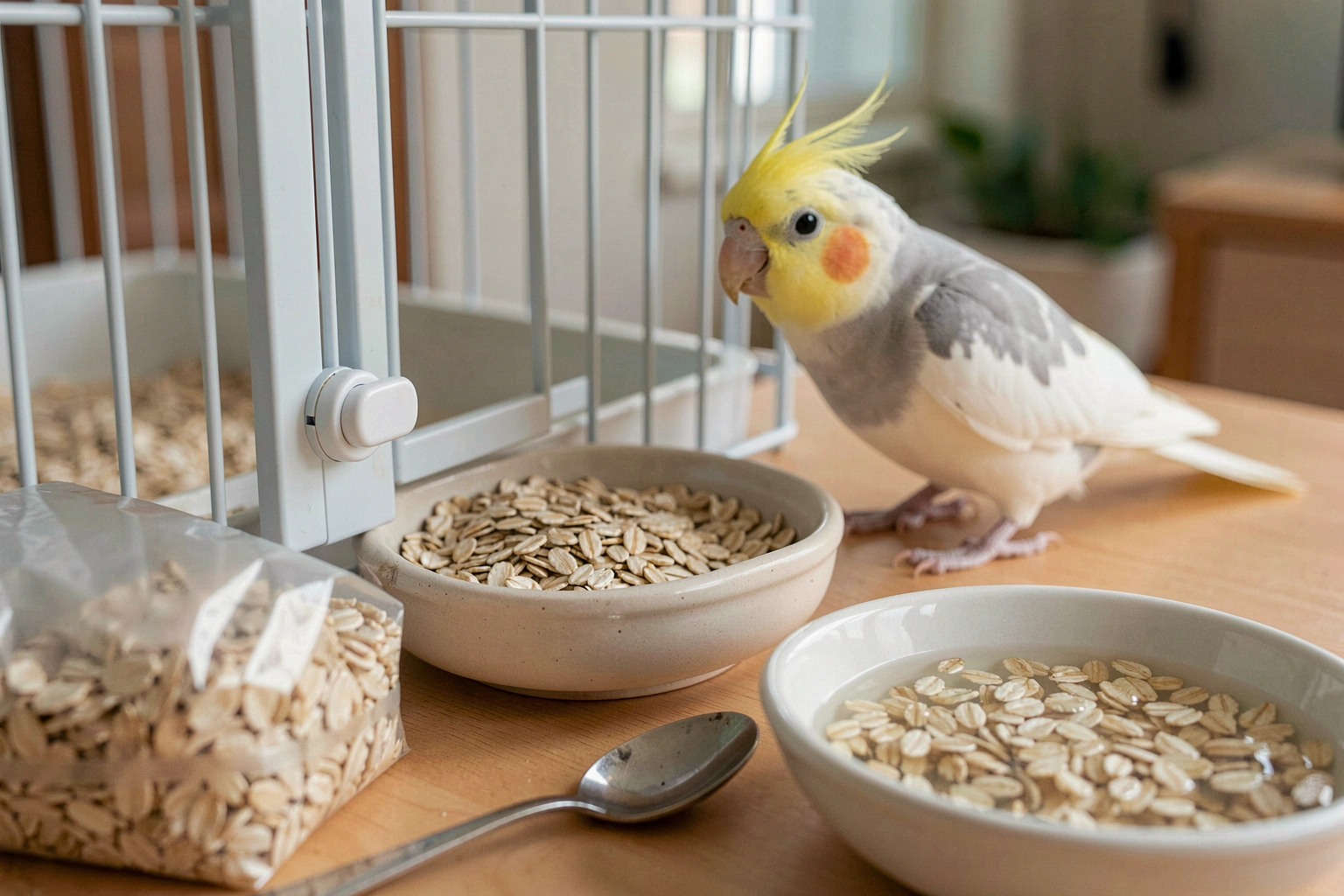
Oats work well for a wide range of seed-eating birds. On the pet side, Kaytee's oat groats product is specifically formulated for canaries, finches, parakeets, lovebirds, cockatiels, conures, and parrots (including Amazons, African Greys, Pionus, cockatoos, and macaws). That covers most of the common pet birds people keep at home. For backyard and garden birds, pinhead oatmeal and rolled oats are well-established supplements that attract a variety of species, particularly ground-feeding birds like sparrows, dunnocks, and robins. If you're feeding pet birds oats as part of a varied diet or tossing some onto a bird table for wild visitors, you're on solid ground.
Safe vs. unsafe types of oats
Not all oats from your pantry are equally suitable for birds. Here's what to reach for and what to leave on the shelf.
| Oat Type | Safe for Birds? | Notes |
|---|---|---|
| Oat groats (whole oats) | Yes | Excellent option; the least processed form and what Kaytee specifically recommends for pet birds |
| Rolled oats (old-fashioned) | Yes | Good choice; flat and easy for most birds to handle, especially when softened |
| Pinhead oatmeal | Yes | Ideal for small wild birds; small particle size reduces choking risk |
| Plain cooked oatmeal (porridge) | Yes, with conditions | Safe if cooked in water only, cooled completely, and served in small amounts |
| Instant oats (plain, no additives) | Use with caution | Acceptable if truly plain, but many instant varieties contain salt, sugar, or flavorings, so always check the label |
| Flavored/instant oatmeal packets | No | Contain added sugars, salt, artificial flavorings, and sometimes xylitol, all of which are harmful to birds |
| Oatmeal cooked with milk | No | Birds cannot digest lactose; milk-based porridge can cause digestive upset |
The simple rule: plain is safe, flavored is not. Avoid anything with added salt, sweeteners, dried fruit mixes, or flavoring. Garden bird guidance specifically calls out salty foods as harmful, and the same logic applies to your pet bird at home. If the oat package has more than one ingredient, read it carefully before serving.
How to prepare oats for birds
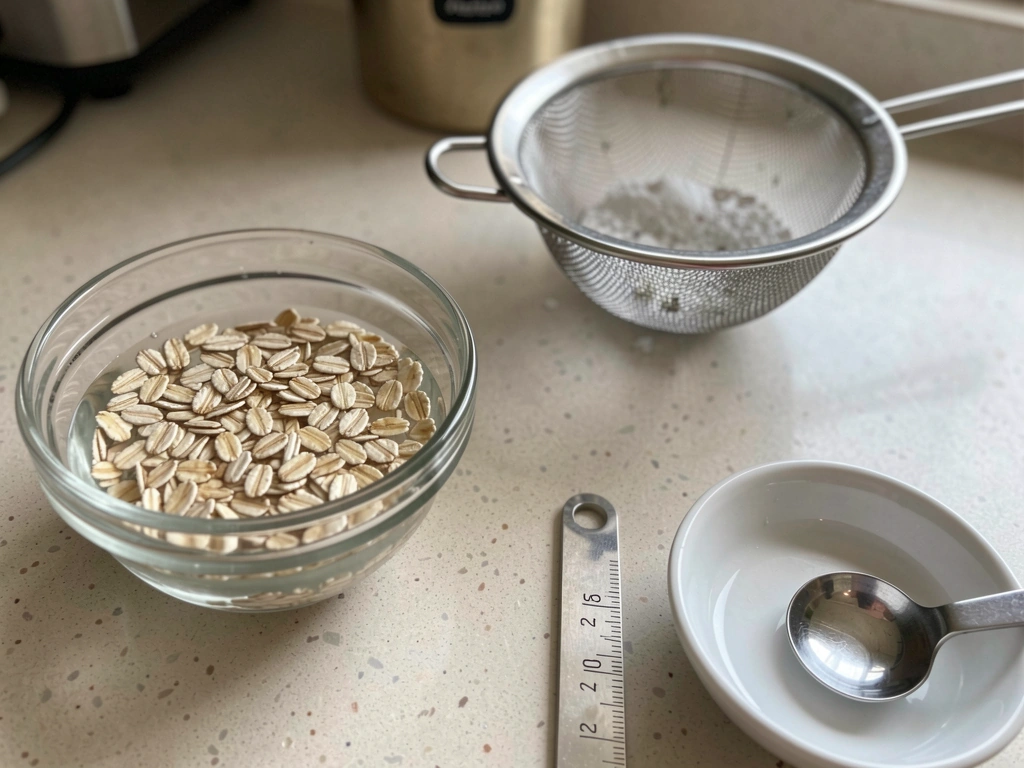
Preparation depends on the bird you're feeding, but the goal is always the same: make the oats easy to eat, reduce any choking risk, and serve them safely.
For pet birds
- Offer oat groats or rolled oats dry in a small separate dish or sprinkled lightly over the bird's regular food. Larger birds (cockatiels, conures, parrots) can handle whole oat groats without any prep. Smaller birds like canaries and finches do better with pinhead oatmeal or finely rolled oats.
- To soften oats for smaller or younger birds, soak rolled oats in plain water for 10 to 15 minutes, then drain off any excess water before serving. Do not soak in juice, milk, or broth.
- If you want to offer cooked oatmeal (porridge), cook it in water only, no butter, no salt, no sugar. Let it cool completely to room temperature before placing it in the cage. Warm or hot food can burn a bird's crop.
- Remove any uneaten moist or cooked oats after 2 to 3 hours. Wet oats spoil quickly, and leaving them in the cage risks bacterial growth. Treat moist oats the same way you'd treat fresh fruit: don't leave them in longer than a few hours.
For wild garden birds
- Pinhead oatmeal is the best form for wild birds. It's small enough for most species to eat safely without choking, including smaller birds that struggle with large dry pieces.
- Plain dry rolled oats can be offered on a bird table or ground feeder. Avoid putting large quantities on the ground in wet weather as they'll clump and go moldy quickly.
- If you want to offer cooked oats to garden birds, the same rules apply: plain water only, cooled, and cleared up within a few hours to prevent spoilage and to avoid attracting pests.
- Never add milk to oats intended for wild birds. Birds cannot digest lactose, and milk-based porridge can cause digestive problems.
How much to feed and how often
Oats should be treated as a supplement or treat, not a core diet food. Kaytee recommends that treats make up no more than 20% of a bird's total daily food intake. Avian diet guidelines suggest cooked whole grains (oats included) contribute roughly 10 to 20% of the overall diet, and pellets should remain at 25 to 30%. That leaves very little room for oats to crowd out the more nutritionally complete foods your bird needs.
Kaytee provides clear species-specific serving amounts for oat groats as a treat:
| Bird Species | Oat Serving Size (per feeding) |
|---|---|
| Canary / Finch / Parakeet | 1 teaspoon |
| Cockatiel / Lovebird / Conure | 1 tablespoon |
| Amazon / African Grey / Pionus | 1.5 tablespoons |
| Cockatoo / Macaw | 3 tablespoons |
For frequency, a few times per week is a reasonable starting point for most pet birds. Every day is fine for small amounts if your bird enjoys them, but watch that it isn't filling up on oats and leaving its pellets or vegetables untouched. For wild garden birds, offering oats a few times a week is perfectly appropriate, and you can increase frequency in colder months when birds need more calories.
Feeders vs. hand-offering: how to serve oats
Pet birds
The easiest approaches are a separate small dish placed inside or attached to the cage, or simply sprinkling oats over the bird's regular food. A separate dish keeps things tidy and makes it easy to track how much your bird is actually eating. Sprinkling works well if you want to add variety to a meal without making oats feel like a separate event. Both methods are fine; just make sure the dish is clean and remove any leftovers promptly, especially if the oats are moist.
Wild and garden birds
For backyard birds, a flat bird table or ground feeder is the most natural way to offer oats, since many of the species attracted to oats are ground feeders by habit. Scatter pinhead oatmeal or dry rolled oats on the table or on a clean patch of ground, and clear up leftovers before nightfall to avoid attracting rodents. Hanging feeders are less ideal for oats since they can clump and block the feeder ports, especially in humid conditions. If you do use a tube feeder, stick to dry oat groats or pinhead oatmeal, which flow more freely than rolled oats.
Special situations and safety
Young birds and chicks
Baby birds and fledglings have very different nutritional needs than adult birds, and oats should not be a significant part of their diet. If you're hand-rearing a young bird, stick to species-appropriate hand-rearing formula rather than improvising with oats or other human foods. For fledglings you find in the garden, the best move is to contact a local wildlife rehabilitator rather than attempting to feed them yourself. If you do offer any food to a young bird in an emergency, pinhead oatmeal softened in plain water is far safer than dry rolled oats, which present a real choking risk to small, developing birds.
Birds with health issues
If your pet bird is being treated for a health condition, check with your avian vet before adding oats or any new food. Oats are relatively high in carbohydrates, so birds prone to obesity or with metabolic conditions may need their grain intake more carefully managed. Similarly, if a bird has any crop or digestive issues, moist or cooked oats could complicate things, so stick to dry forms or skip them until the bird has recovered.
Key safety watchouts
- Never serve flavored, salted, or sweetened oats in any form
- Never use milk as a liquid for soaking or cooking oats for birds
- Remove moist or cooked oats within 2 to 3 hours to prevent bacterial growth
- Watch for dry, large oat pieces with small birds; they can be a choking hazard
- Store dry oats in a cool, dry location and discard any that smell off or show moisture damage
- Don't let oats become a diet replacement; if a bird is consistently leaving its pellets or primary food, reduce the oat portion
What to do today and how to monitor
If you want to start feeding oats to your bird today, here's a straightforward plan to get it right from the first serving.
- Pick the right oat type. For pet birds, oat groats or plain rolled oats are your best starting point. For garden birds, pinhead oatmeal is the safest option. Check the label to confirm there are no added ingredients.
- Prepare appropriately. Larger pet birds can have dry oat groats straight from the package. Smaller birds benefit from softened or finely cut oats. If cooking, use water only and cool completely before serving.
- Start with a small test portion. Use the species-specific amounts listed above as your ceiling, but start with about half that on the first day. This lets you gauge your bird's interest and watch for any reaction.
- Observe for 24 to 48 hours. Check your bird's droppings the morning after the first serving. A change in dropping color or consistency can happen with any new food. If you see loose or watery droppings, remove the oats and wait for things to normalize, which typically takes about 12 hours once the dietary trigger is removed. If droppings remain abnormal after 24 hours or you notice other symptoms like lethargy, puffed feathers, or loss of appetite, contact your avian vet.
- Monitor the bird's regular food intake. Make sure your bird is still eating its pellets, seeds, vegetables, and other staples alongside the oats. If oats are crowding out other foods, reduce the portion or offer them less frequently.
- Adjust and settle into a routine. Once you've confirmed your bird tolerates oats well, you can work them into the feeding routine a few times per week at the appropriate serving size. For wild garden birds, start leaving small amounts on the bird table and note which species visit.
Oats are one of those foods that, when used sensibly, genuinely add variety and a little extra nutrition to a bird's diet without much risk. The problems come when people use the wrong type (flavored or salted), serve too much, or use oats as a substitute for a balanced diet rather than a supplement to one. Stick to plain, prepare them right, portion them conservatively, and your bird will likely enjoy them. If you're already thinking about other grains and whether they're safe for birds, popcorn is another common question worth exploring separately.
FAQ
Can bird eat cooked oats instead of dry oats?
Yes, but only if they are plain and unsalted. Cook plain oats in water (no milk, no butter, no sweeteners), cool them fully, and offer a small amount. Avoid “instant” flavored packets and any porridge that contains added salt or dried fruit.
What’s safest to offer to a fledgling or baby bird, are oats okay?
Use water-soaked pinhead or very finely ground oats for emergencies, and always offer tiny amounts. Dry rolled oats can be harder for very small beaks to manage and may increase choking risk, so it is safer to avoid dry rolled oats for fledglings.
Will oats attract rats or mice, and how do I prevent it?
Oats can attract rodents, so remove leftovers before nightfall and avoid leaving wet or clumped oats. For ground feeders, spread only enough for a short window, and keep the feeding spot clean.
How do I know if my bird is eating too many oats?
If your bird starts dropping pellets, gaining weight, or acting less interested in vegetables, cut back or pause oats. Track intake for a week and return to a smaller treat frequency, since oats are carb-heavy.
Can pet birds eat oats if their diet is mostly seeds?
Generally, yes, but portion control matters because oats are carbohydrate-dense. For birds already eating mostly seeds, add oats as a treat while still ensuring pellets or other balanced staples stay the main base of the diet.
Is it better to put oats in a dish or sprinkle them over food?
A separate dish is easiest for portioning, but sprinkling can work if you monitor how much disappears. Either way, clean the dish daily, and throw away any moist oats promptly since they can spoil faster than dry foods.
Can oats be a daily food for birds?
Limit them and do not replace pellets or vegetables. As a decision aid, keep oats at the low end of treat guidance, then adjust based on body condition and appetite, especially if your bird is prone to obesity.
Are flavored, sweetened, or multigrain oats ever safe for birds?
Use only plain oats with one ingredient (or at least no added salt, sugar, flavorings, or dried fruit mixes). If the label lists multiple ingredients beyond oats, assume it is not bird-safe unless it is explicitly unflavored.
How should I offer oats in a feeder, can I use a tube feeder?
Avoid using humid-clogging feeders for oats. If you use a tube feeder, choose dry oat groats or pinhead oatmeal, and check frequently for clumps that could block flow and lead to uneven feeding.
Can birds eat oats if they have a health condition like obesity or diabetes?
Yes, but timing and vet guidance matter. If the bird is on a medically prescribed diet or has metabolic or weight issues, oats may need tighter limits, so confirm with an avian vet before increasing frequency.
Next Article
Can You Feed a Bird Rice? Safe Options and What to Do
Can you feed a bird rice? Learn why rice is risky, what to offer instead, and safe do dont steps.